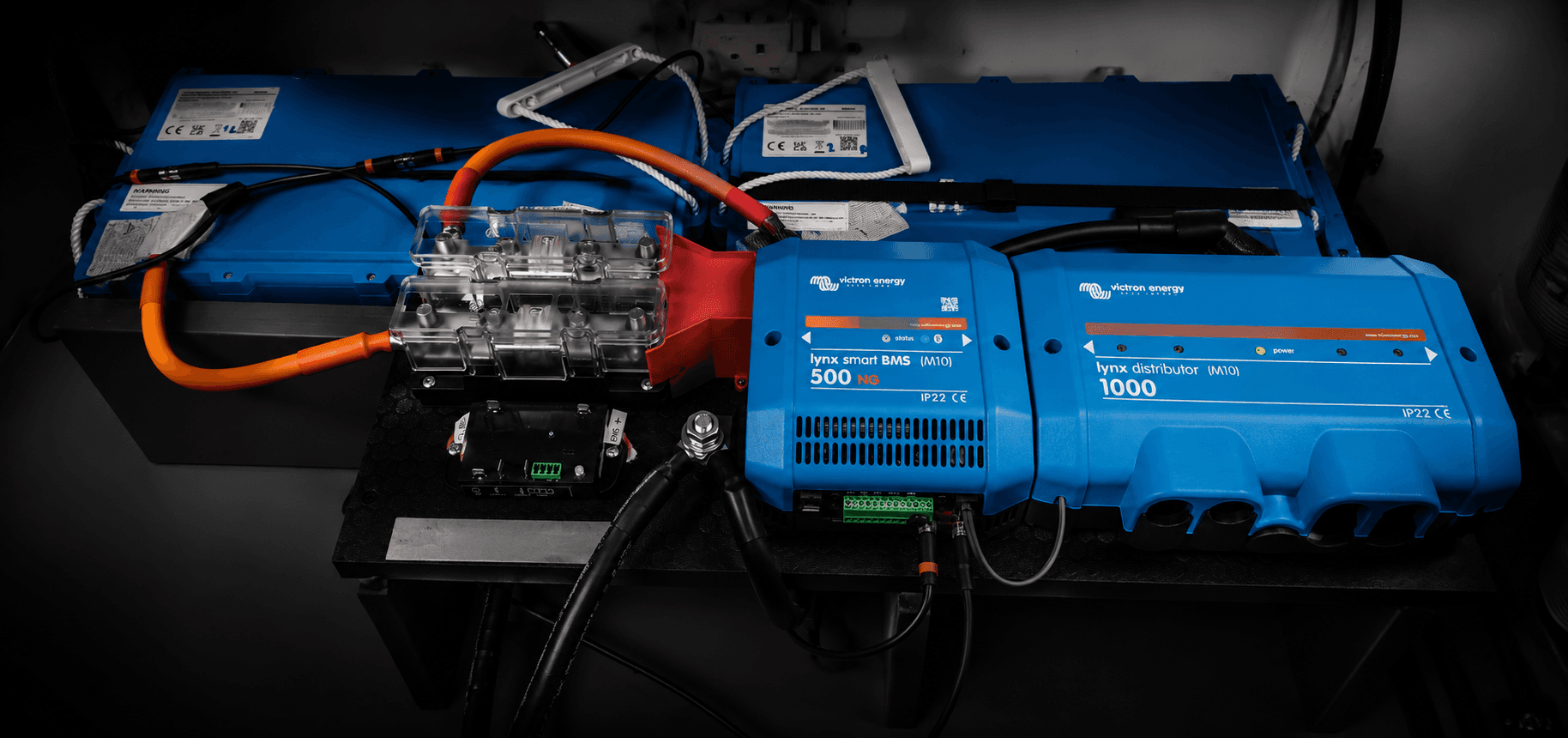
Typical Battery Life in a Duffy Boat
One of the most common questions Duffy boat owners ask is how long their batteries should last. The answer depends on battery type, charging habits, usage patterns, and maintenance.
Most traditional lead-acid battery banks last between 4 and 7 years under normal recreational use. Some owners may see longer service life, while others experience battery decline much sooner due to heavy use, improper charging, or extended periods of storage.
Lithium battery systems often last significantly longer than lead-acid batteries because they tolerate deeper discharge cycles and experience less long-term degradation.
Understanding what affects battery lifespan can help owners avoid unexpected failures and plan for replacement before performance becomes a problem.
Signs Your Batteries May Be Nearing Replacement
Battery performance usually declines gradually rather than failing overnight. Many owners notice subtle changes before realizing the battery bank is reaching the end of its useful life.
Common warning signs include reduced cruising range, slower performance, longer charging times, batteries that fail to reach a full charge, or noticeable voltage drops under load.
In some cases, batteries may appear to charge normally but lose capacity rapidly once the boat is in use. This often indicates aging cells that can no longer store energy effectively.
Regular testing can help identify these issues before they leave you stranded or shorten a day on the water.
Factors That Affect Battery Life
Several factors influence how long a Duffy boat battery bank will last.
Charging habits play a major role. Batteries that are consistently left discharged for long periods often experience accelerated deterioration. Extreme temperatures, frequent deep discharges, poor maintenance, and improper charging equipment can also shorten battery life.
Usage patterns matter as well. Boats used frequently and maintained properly often perform better than boats that sit unused for months at a time.
For lead-acid systems, water levels, terminal condition, and equalization charging can also impact longevity and overall performance.
When to Replace and When to Upgrade
If your battery bank is approaching the end of its service life, replacement is often the ideal time to evaluate upgrade options.
Many owners choose to replace aging lead-acid batteries with a new lead-acid bank because it provides a familiar and cost-effective solution. Others use the opportunity to upgrade to lithium technology for improved range, faster charging, lower maintenance, and longer overall lifespan.
The right decision depends on how the boat is used, how long you plan to keep it, and your performance goals.
Electric Boat Repair can evaluate your current battery system, test battery health, and help determine whether a standard replacement or lithium conversion is the best fit for your boat.